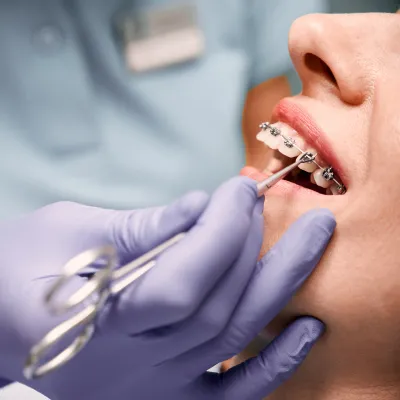
 Orthodontic emergencies are uncommon, but they can happen during treatment. Fortunately, most situations are minor and can often be managed at home until you are able to contact Glass Orthodontics in Chesapeake, VA and Elizabeth City and Moyock, NC for guidance. Understanding how to handle an orthodontic emergency can help you stay calm and protect your treatment progress.
While some issues may cause discomfort or concern, only a small number of situations require immediate attention. Knowing how to handle an orthodontic emergency begins with understanding the difference between a minor problem and a true emergency.
Common Orthodontic Issues That Are Not Emergencies
Many of the problems patients experience during orthodontic treatment are inconvenient rather than urgent.
It is normal to experience some discomfort after orthodontic adjustments. Learning how to handle an orthodontic emergency also means recognizing when discomfort is temporary and when it may require additional attention.
Understanding how to handle an orthodontic emergency can help you determine when a situation can be managed at home and when you should contact Dr. Glass.
Loose Brackets, Bands and Wires
One of the most common orthodontic problems involves loose brackets, bands, or wires.
If a bracket becomes loose but remains attached to the wire, it is often possible to temporarily manage the situation until you can be seen by our orthodontic team. Knowing how to handle an orthodontic emergency can help reduce stress if a bracket becomes loose unexpectedly.
Understanding how to handle an orthodontic emergency can help you manage these minor issues safely while waiting for instructions from Glass Orthodontics.
What Qualifies as a More Urgent Orthodontic Emergency?
Although true orthodontic emergencies are rare, some situations require prompt attention. Severe pain, significant swelling, injuries involving the teeth, face, or mouth and appliances that interfere with eating or speaking should be addressed as soon as possible.
Learning how to handle an orthodontic emergency includes recognizing when professional care is needed right away.
Knowing how to handle an orthodontic emergency can help ensure you take the right steps following an injury.
If You Swallow a Piece of Your Appliance
Swallowing part of an orthodontic appliance is uncommon, but it can happen. If this occurs, it is important to remain calm. Understanding how to handle an orthodontic emergency can help you respond appropriately if a piece of an appliance goes missing.
If the missing piece cannot be located, contact Glass Orthodontics immediately for further instructions.
Preventing Orthodontic Emergencies
Many orthodontic emergencies can be avoided through good habits and proper appliance care. Following dietary recommendations helps reduce the risk of broken brackets and damaged wires. Hard, sticky and chewy foods can place unnecessary stress on orthodontic appliances and may increase the likelihood of breakage.
Patients who participate in sports should protect their teeth and orthodontic appliances during physical activity. Understanding how to handle an orthodontic emergency is important, but preventing one whenever possible is even better.
Another important recommendation is to avoid attempting major repairs at home. If something feels wrong, contact Glass Orthodontics rather than trying to make significant adjustments yourself. It’s important to understand when to seek professional guidance instead of attempting repairs on your own.
When to Contact Glass Orthodontics
Whenever you are unsure whether a situation is an emergency, it is best to reach out to Glass Orthodontics in Chesapeake, VA and Elizabeth City and Moyock, NC. Even minor issues can sometimes develop into larger problems if they are ignored. Dr. Glass can help determine whether you need an appointment, a repair, or simple at-home guidance.
Understanding how to handle an orthodontic emergency can help you feel more confident if an unexpected situation arises during treatment. By knowing what counts as an emergency, what can be managed temporarily at home and when to contact our office, patients can better protect their smiles and keep treatment on track. Request your complimentary consultation today!